Offered Without Reserve at the Tucson Auto Museum Liquidation Auction (January 28, 2027)
-
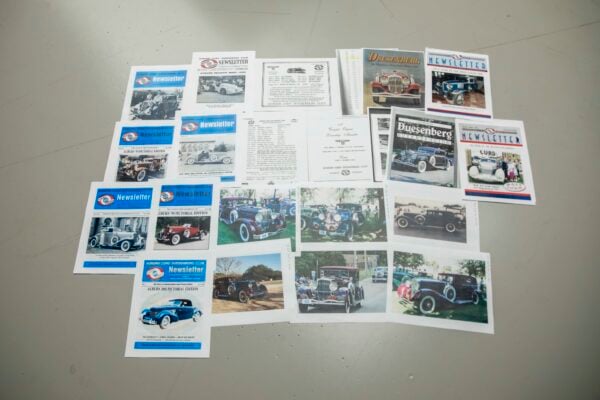
ACD Club Certified, D-158
-
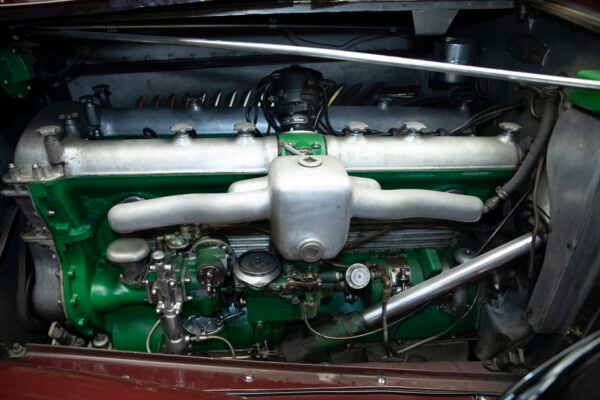
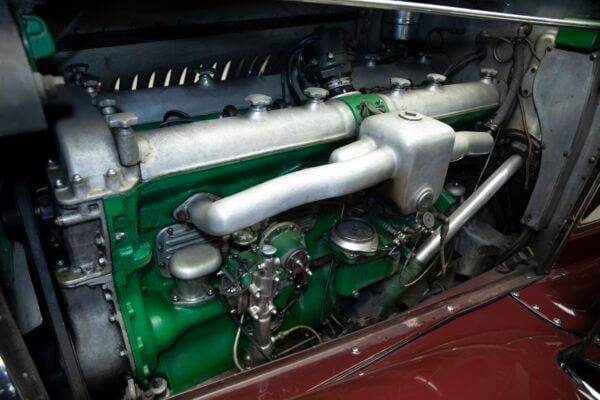
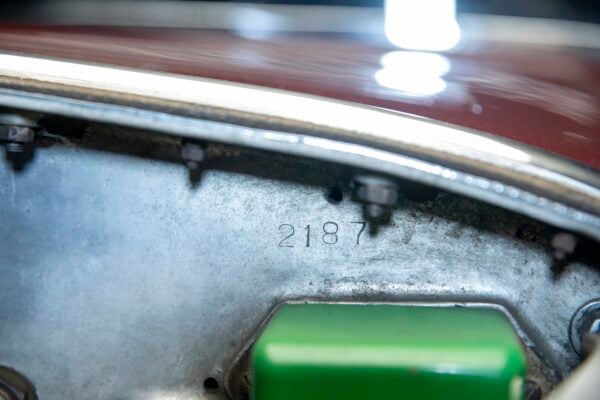
Original short-wheelbase chassis, engine, firewall, and body
-
Sold new in Paris to famed Duesenberg connoisseur Antonio Chopitea
-
Early ownership by prominent world aristocrats
-
Well known history dating back to new including ownership by Allen Thurn, and Gary and Sharon Vick
-
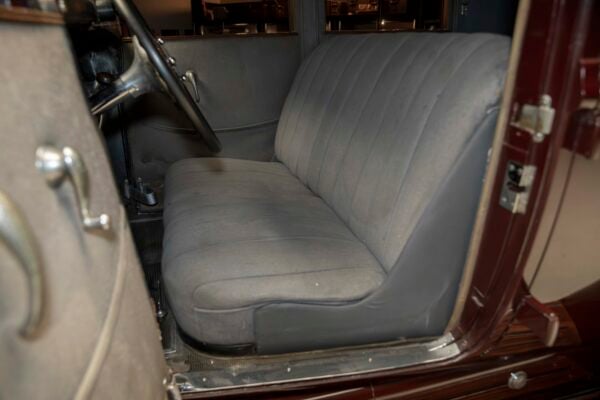
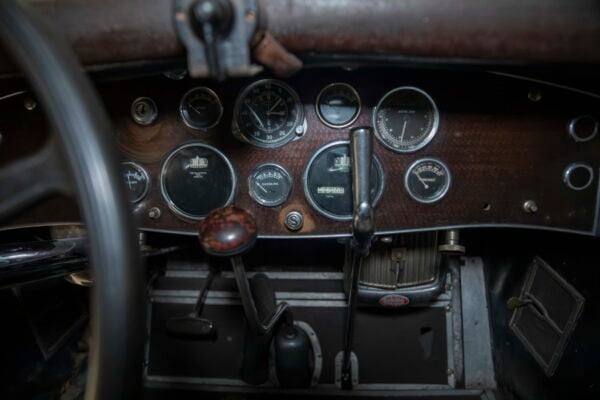
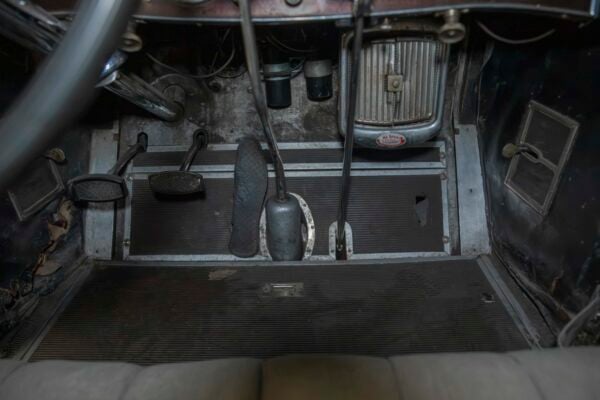
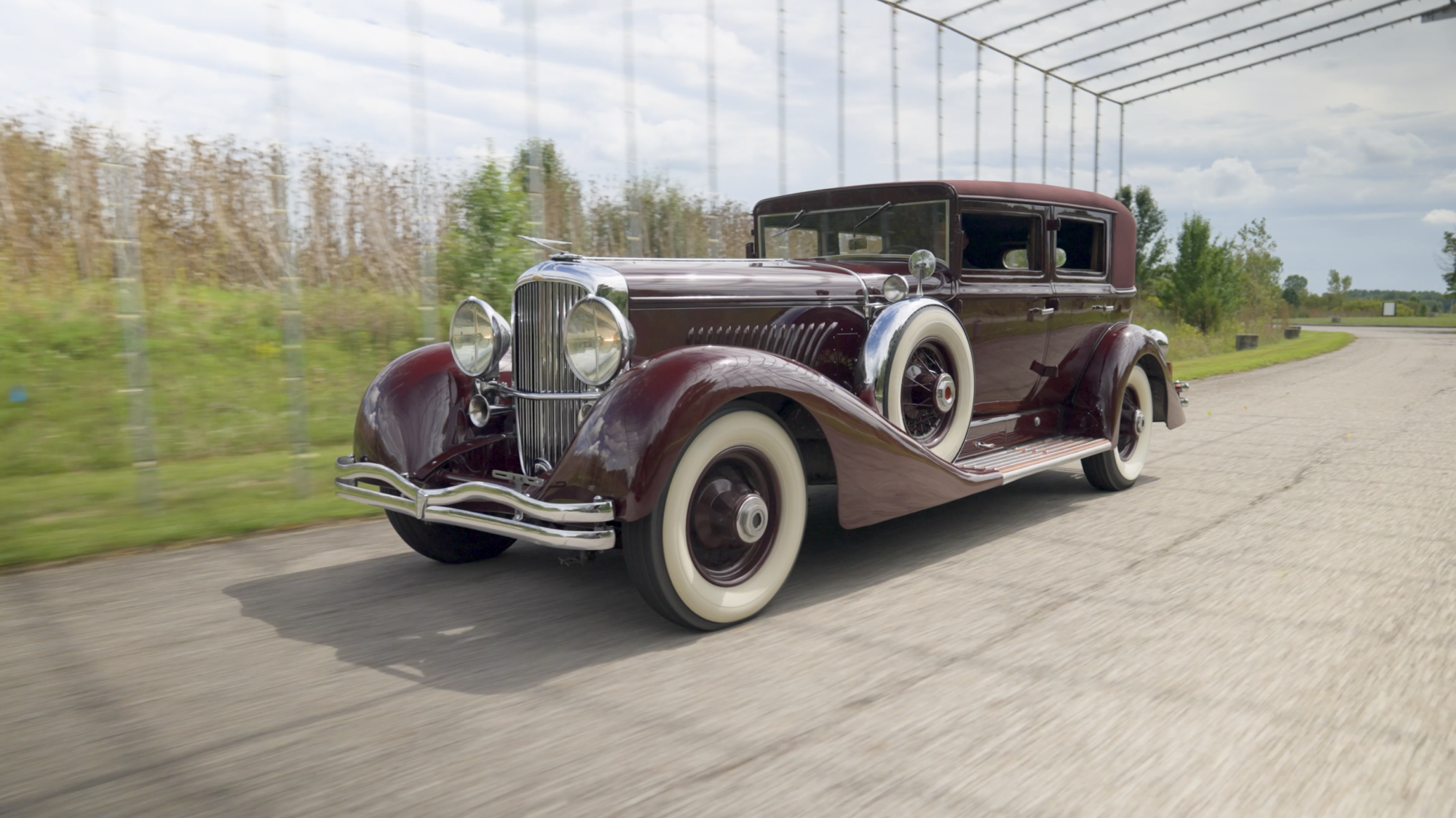
Cosmetically refinished example with original interior
-
A wonderful, mechanically fit closed coachwork example ideal for touring

Auction will take place January 28, 2027 (In Person & Online) at the
Tucson Auto Museum | 4825 N Sabino Canyon Rd, Tucson, AZ 85750
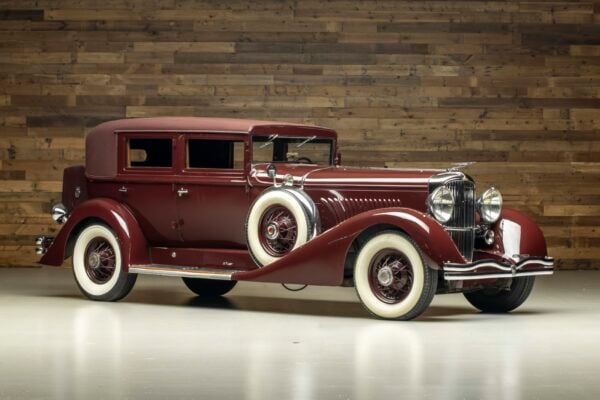
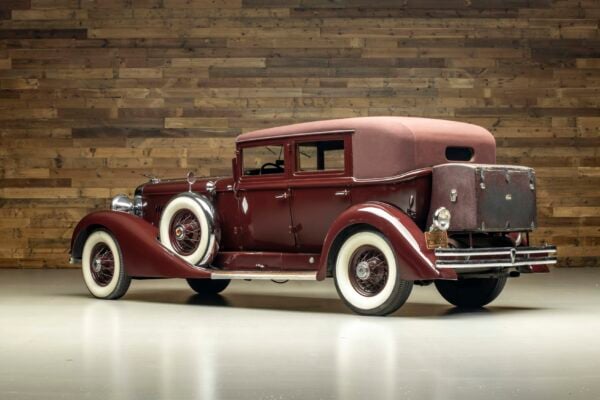
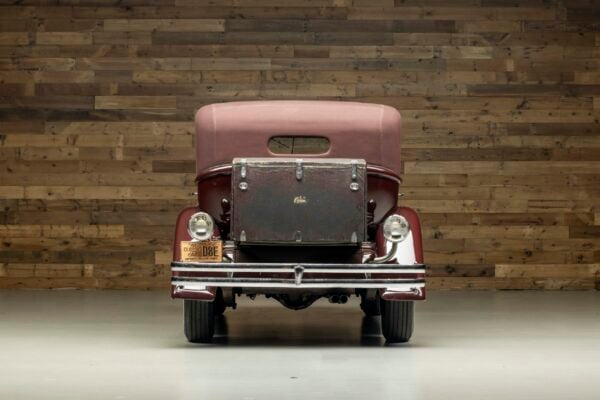
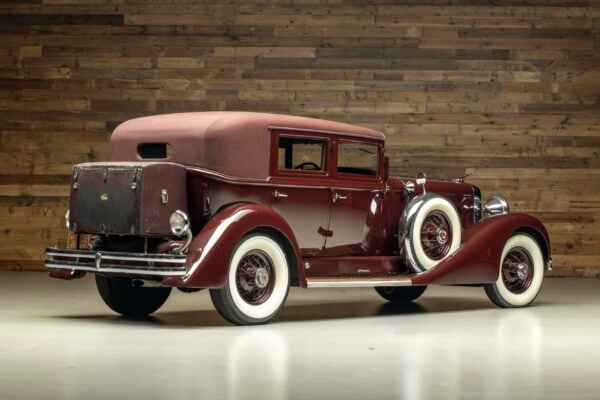
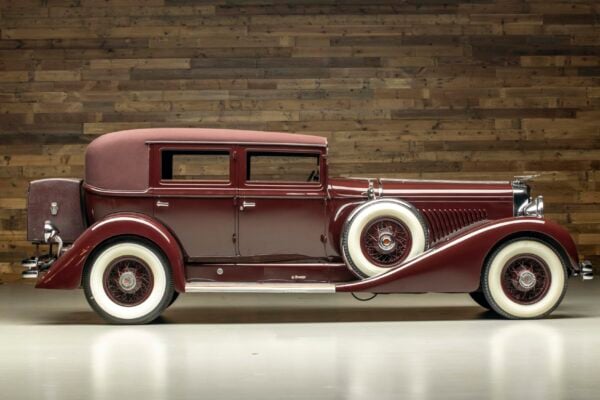
Renowned coachbuilder, Derham Body Company of Rosemont, Pennsylvania, produced some of the finest bodies for the Duesenberg Model J, built with exceptional craftsmanship and quality. Among their offerings was a particularly elegant and well-proportioned sedan with blind rear quarters, of the style dubbed by other coachbuilders as a sport or club sedan. It was distinguished by a relatively low, fabric-covered roofline and close-coupled doors. The design was named the Arlington, and five were made, four of them on the most desirable short-wheelbase 142½-inch chassis.
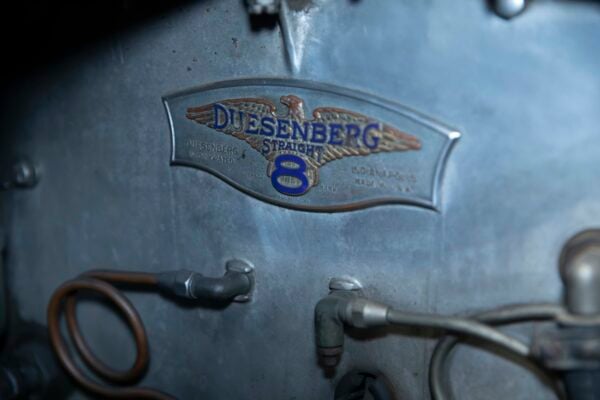
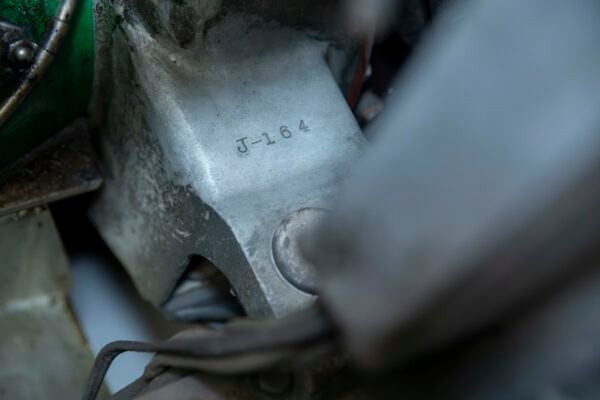
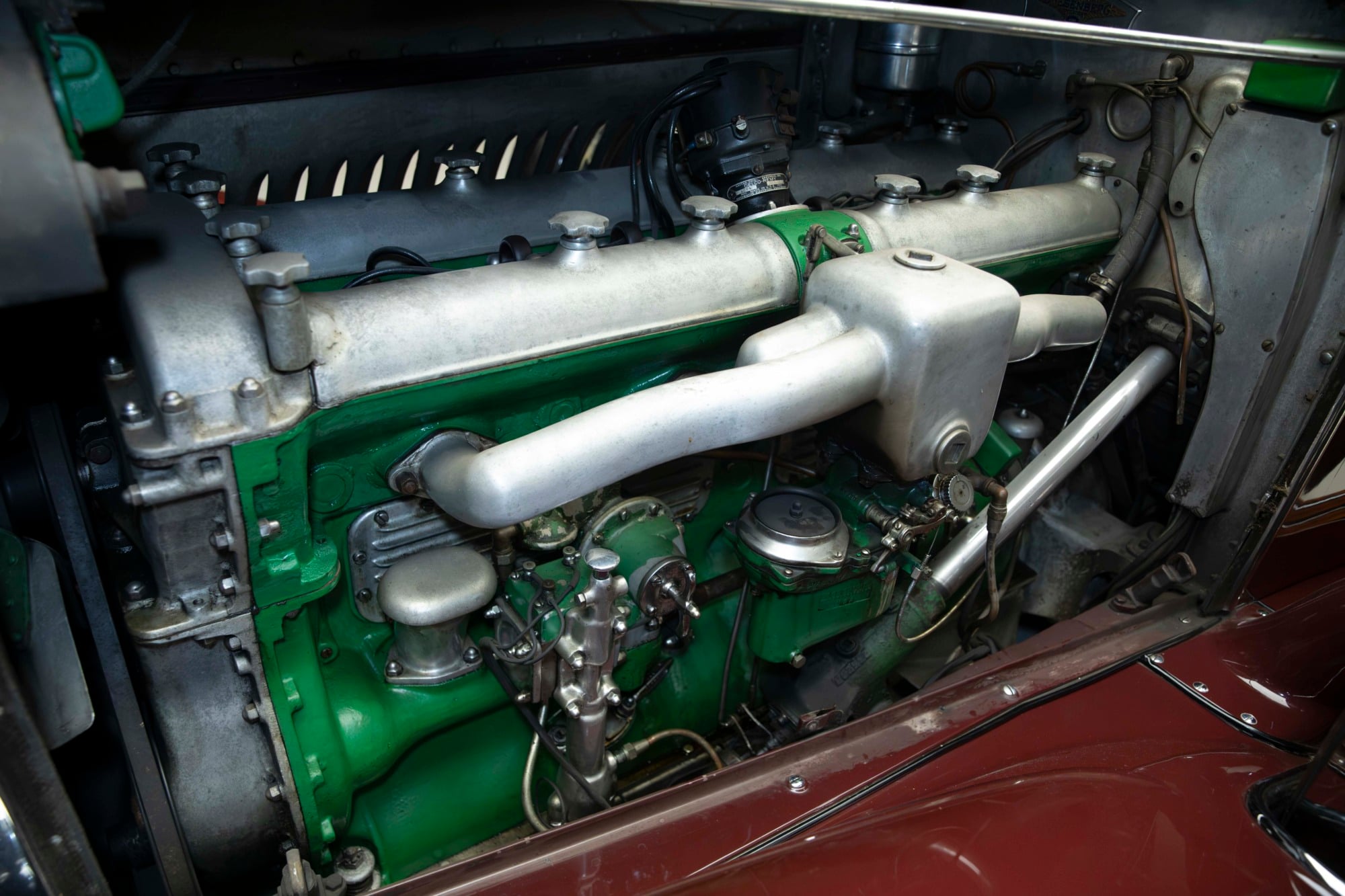
The Derham Arlington Sedan offered here, engine number J-164, was built as a left-hand-drive, short-wheelbase chassis. Longtime ACD Club Duesenberg Historian Ray Wolff records its original sale on July 3, 1931, to Antonio Chopitea, a Peruvian sugar heir and noted automobile enthusiast; he and his brothers would acquire no fewer than five new Model Js, including, most notably, the renowned Figoni-bodied “French Speedster.” Chopitea maintained homes in Lima, Paris, and New York, and it is likely that this American-bodied J was bought in the latter and then taken overseas by its owner.
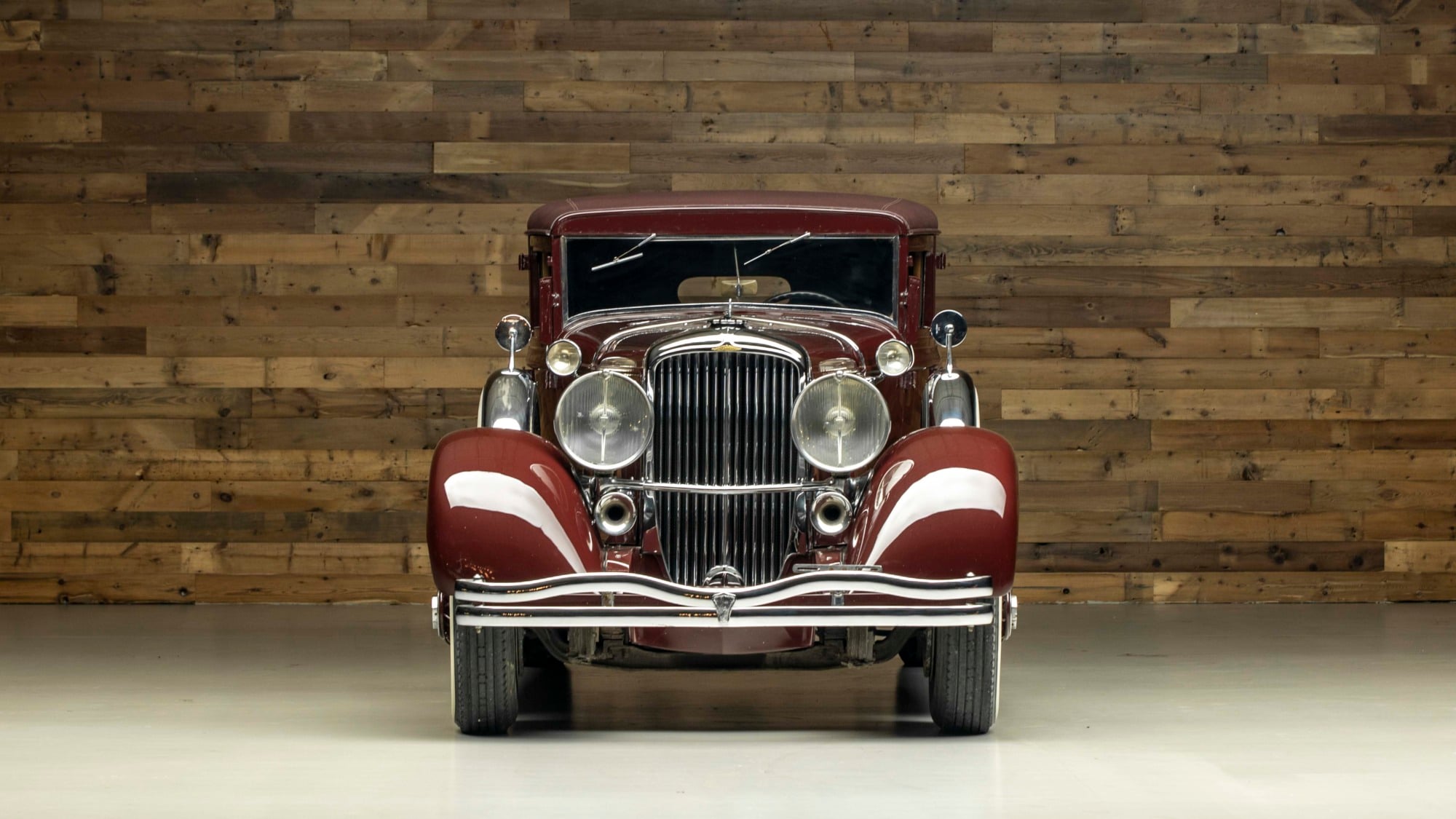
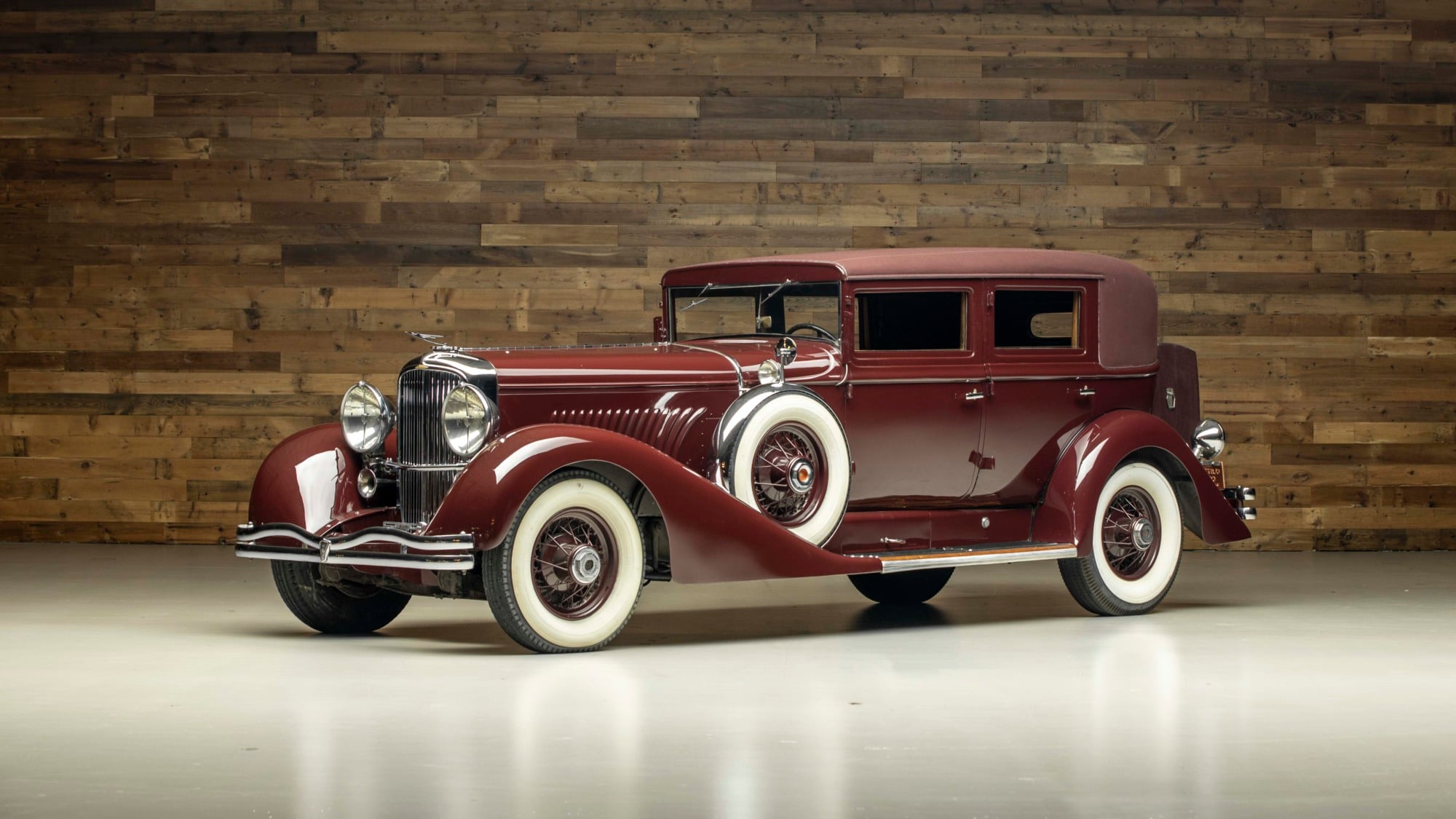
The car subsequently passed to “Prince Otto,” Archduke Franz of Hapsburg, in Paris, the last Crown Prince of Austria-Hungary – who was then scarcely 30 years old. The next owner is recorded as a George J. Gould of Vaucresson, likely the American railroad and banking heir George Jay Gould II, and finally, in 1935, one Prince Hassan Loutfallah, of Cairo, Egypt. It is likely that at the time of the latter acquisition the car was fitted with its current fenders, of a more modern skirted design, and was refinished in dark blue.
Duesenberg historian Fred Roe, in a letter in the car’s ACD Club Certification file, noted that Prince Loutfallah’s nephew Alex Sursock inherited the car in 1948. The Sursock wealth was based in Lebanon, where they were hugely influential in the growth of the country, but Alex had resided in Cairo and was left nearly destitute when the Nasser Government claimed his family’s property, including the vast Gezirah Palace where his uncle had resided. Sursock settled with the Duesenberg, one of his few remaining possessions, at Cap d’Antibes, in southern France, where he lived out his days.
In 1957, the Model J was brokered for Sursock by his neighbor’s son George Breyton to Allen Thurn of Bethlehem, Pennsylvania, a noted early Model J enthusiast and collector who sourced several outstanding examples of this era. Mr. Thurn resold the car within two years to Keith Smith of Michigan, who displayed it at the ACD Club National Reunion in Auburn, Indiana in 1959, then sold it in late 1963 to Bruce Cox of Detroit and Florida. Mr. Cox would be a long-term owner of the Duesenberg, possessing it for over two decades.
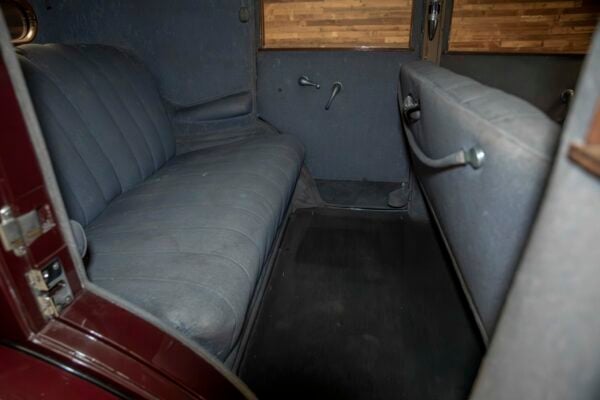
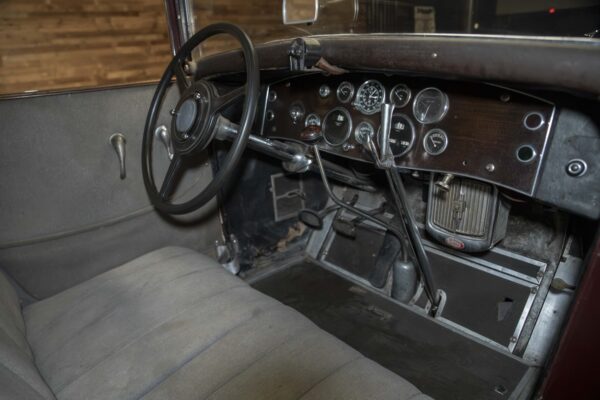
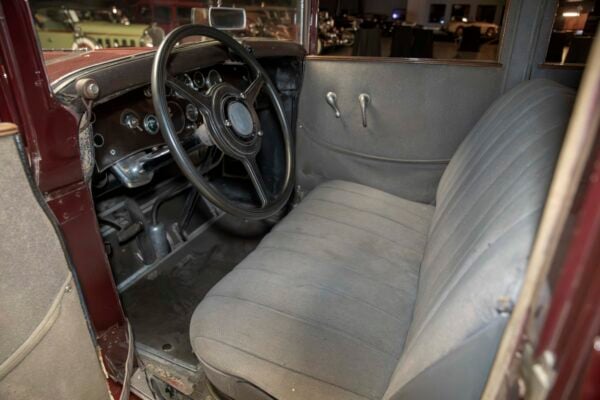
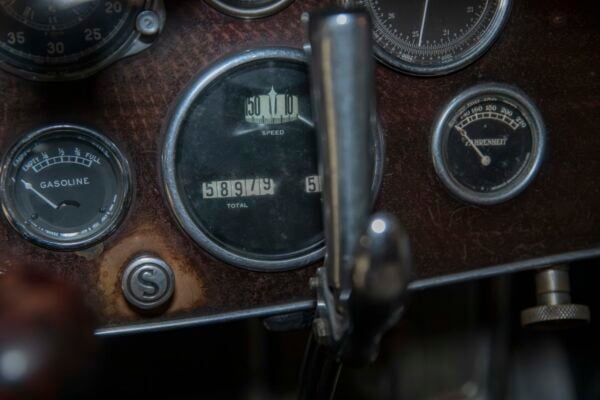
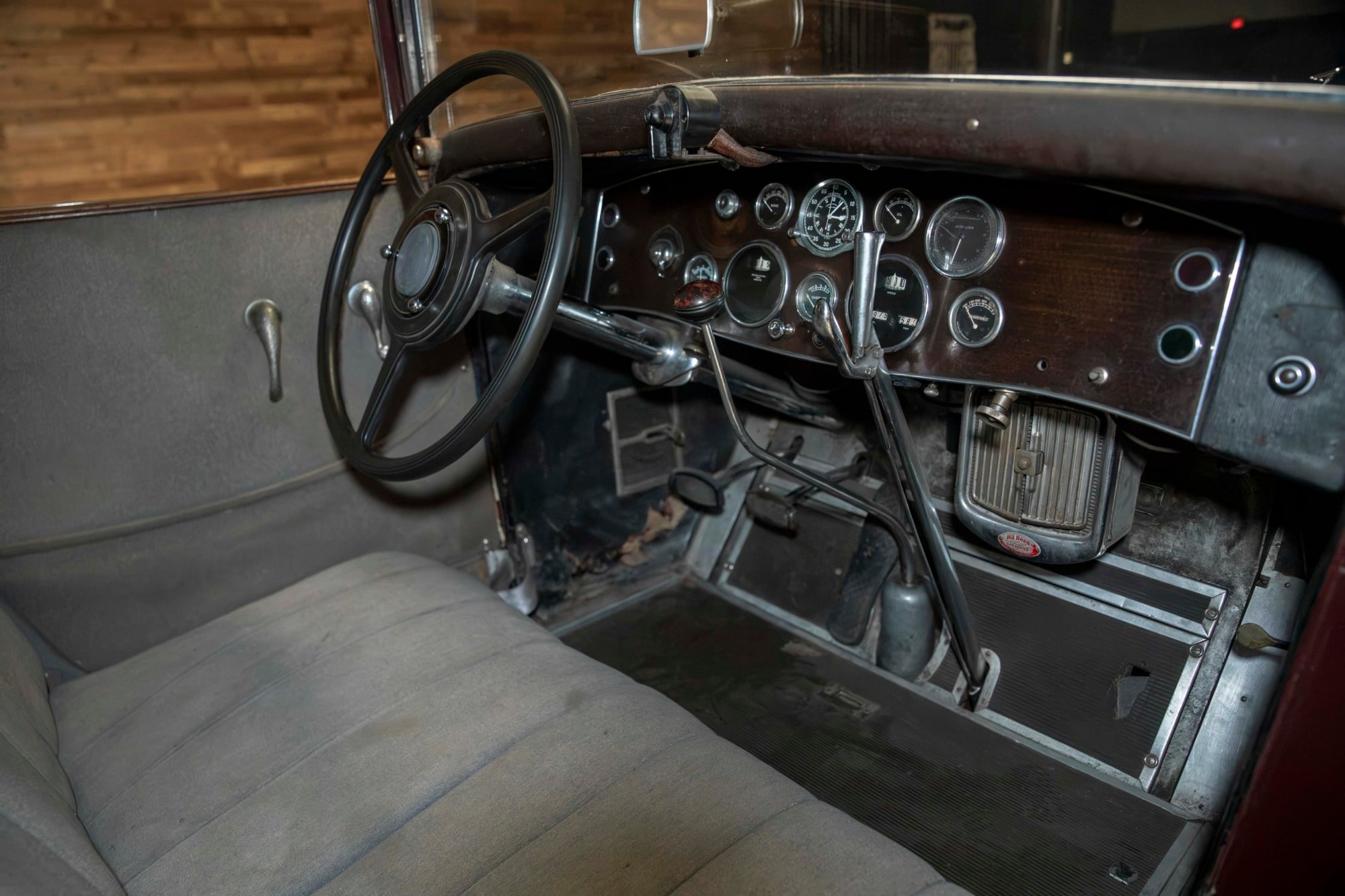
The McGowan brothers, renowned ‘car hunters’ of Branford, Connecticut, bought J-164 from Mr. Cox in 1984 and retained it until the early 1990s; in 1993 they exhibited it again at the National ACD Club Reunion, winning Most Original Car. In 1995, the car returned to Auburn, Indiana to stay with Gary and Sharon Vick. The Vicks resided in E.L. Cord’s former residence on Wayne Street, not far from the ACD Automobile Museum, and were active supporters of both the museum and the ACD Festival. They maintained a small, select collection of oft-driven automobiles, including a twelve-cylinder Auburn, a Tucker, and, of course, J-164, which early in their ownership continued to be maintained in very original and unrestored condition, suitable for today’s preservation class in shows and exhibitions. Later, the Vicks relocated to Texas, and elected to have the Model J refinished to its original burgundy livery, though the car continued to retain, as it does today, much of the original interior in good, patinated condition. Passionate enthusiasts, they continued to enjoy driving it, including trips from Texas back to Auburn, Indiana for the annual meet. At the start of the 2010s, J-164 was then acquired by the Maine Classic Car Museum. There this Model J was greatly admired and surrounded by an array of noted automobiles and was a great favorite of visitors. It was occasionally exercised and noted to have performed wonderfully when in 2022 J-164 partook in The Enthusiast Driving Tour, where it was piloted by none other than John Kruse.
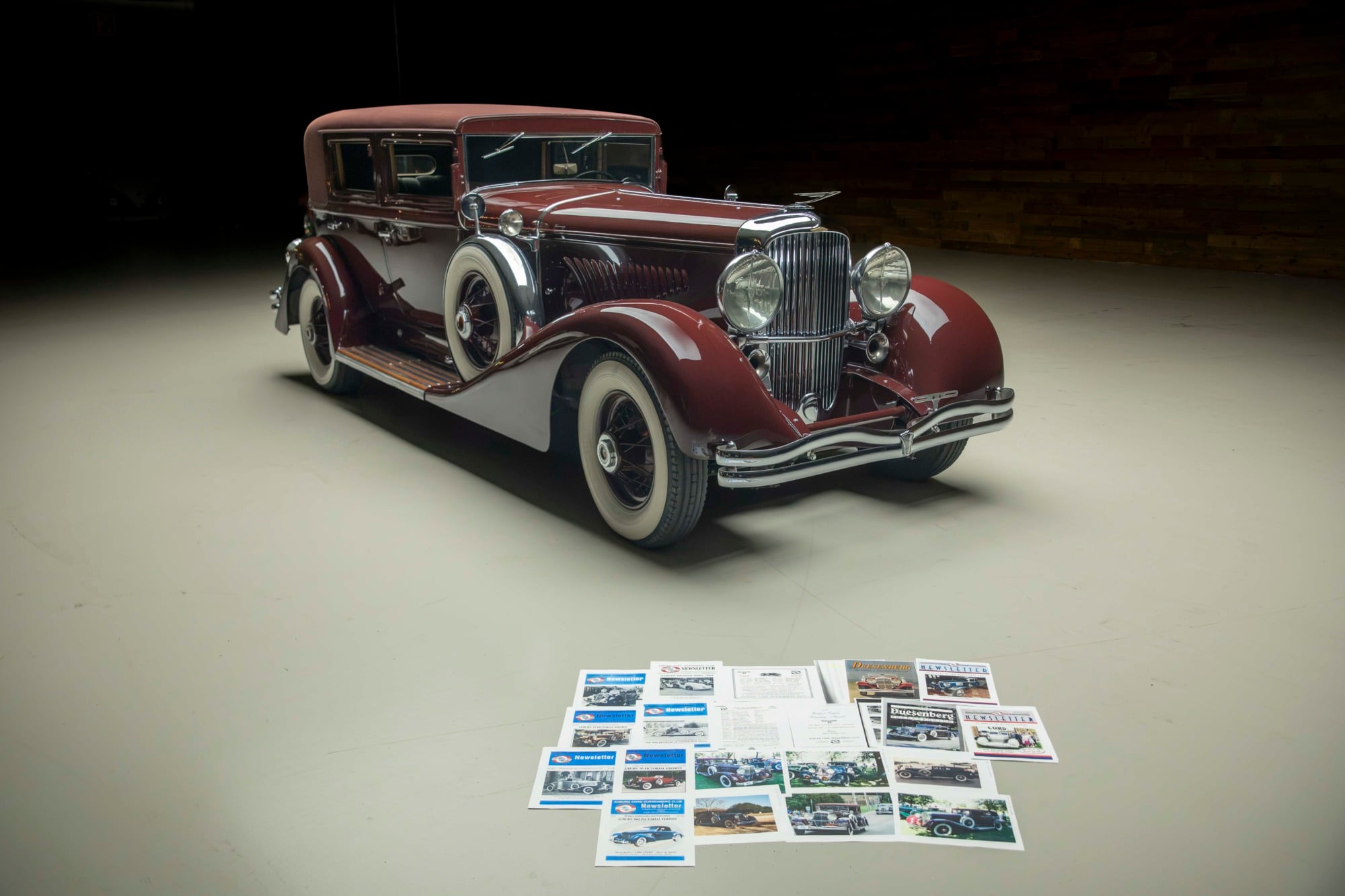
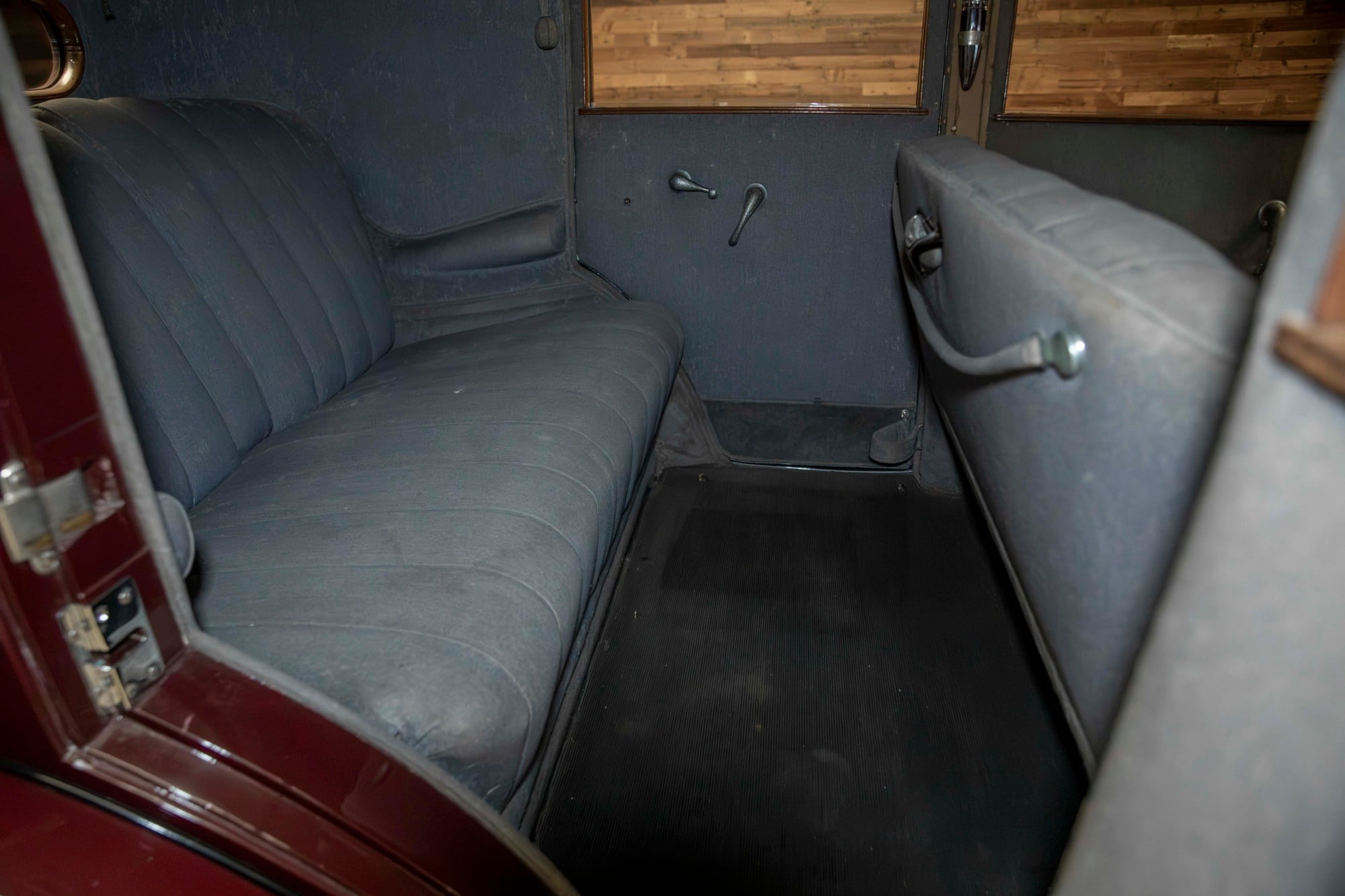
As part of a select grouping of the museum’s collection, J-164 was sold in 2022 to the Tucson Auto Museum, where it has since been further admired in a museum like setting. Most recently, the Kruse Auctions team has mechanically sorted this Model J and taken it on various short jaunts, stating its one of the better running and driving Model Js, most likely thanks to the fact it has not been taken apart or restored.
Closed Duesenbergs are becoming increasingly more desirable to enthusiasts seeking a comfortable Model J for extended driving on events such as the Duesenberg Tour and others, as well as for their often very unique designs. An automobile that was enjoyed by some of the world’s wealthiest families in its early life and cherished by noted club members and museums in its most recent life, it’s a compiling opportunity to acquire a pure, certified Model J that retains its original engine, body, and chassis and is poised for its next page in history.